How to Store Hearing Aids Safely While Traveling
Ask anyone in Metropolis and they will tell you the Superman Celebration
By: admin | December 21, 2025
Hearing aid technology is moving toward a more individualized approach that recognizes no two people hear exactly the same way.
Even if you haven’t noticed significant changes in your hearing, personalization can address the subtle differences in how you process sound and what environments challenge you most.
This shift means devices can be tailored to your specific hearing profile rather than relying on generic settings. The result is clearer listening and less effort required to follow conversations or pick up sounds in various situations.
Taking a proactive look at personalized hearing solutions makes sense even before hearing loss becomes obvious.
Personalization isn’t just about addressing problems but about optimizing how you hear in ways that fit your daily routine and preferences. Exploring these options gives you more control over your hearing health in the beginning.
Hearing aids are most effective when they are tailored to your specific hearing needs and lifestyle. Everyone experiences hearing loss differently, so what works well for one person may not be ideal for another.
Personalizing your hearing aids ensures the devices amplify the right frequencies, respond to the environments you spend time in and support the activities that matter most to you.
Beyond the technical settings, personalization also affects comfort and usability. Choosing a style that fits well and feels natural encourages consistent use, while programming features to match your daily routines can make communication easier and less tiring.
Digital technology has completely changed what hearing aids can do. Modern devices include automatic noise reduction to help conversations stand out in busy environments,
Bluetooth streaming that allows you to connect directly to your phone, television or music, and smart sensors that adjust settings based on your surroundings.
These features work together to make hearing in everyday situations easier, more natural and less tiring, allowing you to focus on the people and activities around you rather than the effort of listening.
Many hearing aids now incorporate artificial intelligence to provide an even more personalized experience.
AI systems learn from your listening habits and automatically adjust sound settings to match the environment, whether you are in a crowded restaurant, a quiet office or outdoors. This technology can make speech clearer, reduce distracting background noise and adapt as your surroundings change throughout the day.
With these intelligent features, you may find conversations easier to follow and experience less strain while listening, making it simpler to stay engaged and enjoy your daily activities.
Smart functions in hearing aids help you keep up with the sounds around you, wherever you are. Sensors and digital technology allow your devices to automatically adjust volume, filter background noise and focus on speech as needed.
This means your hearing aids can respond in real time as you move from quiet spaces to busy streets or restaurants.
Sudden changes in noise levels can make it difficult to follow conversations or feel at ease. Smart hearing aids quickly adapt their settings, keeping sound clear and balanced even when your environment shifts unexpectedly.
Directional microphones help you concentrate on important sounds, especially speech. These microphones are designed to pick up voices in front of you while reducing noise from other directions.
This feature is especially useful in busy environments, making it easier to understand conversations without increasing the overall volume.
Your hearing specialist can adjust these settings based on your typical environments and preferences. Many people experience less listening fatigue and clearer conversations in noisy places with this technology.
Bluetooth technology in today’s hearing aids gives you more control and flexibility. You can connect wirelessly to smartphones, tablets, TVs and other devices for direct audio streaming.
Bluetooth has many benefits, including:
Smartphone apps now make it simple to control your hearing aids. You can adjust many settings right from your phone, allowing you to fine-tune sound for any situation.
With most hearing aid apps, you can:
Some advanced hearing aids now include environmental sound recognition. This technology identifies specific sounds around you, like doorbells, alarms or approaching vehicles. When these sounds are detected, your hearing aids can alert you or adjust settings automatically so you do not miss important cues.
This feature increases safety and awareness in daily life. It also helps you feel more confident as your hearing aids respond not only to speech but also to other significant sounds.
Feedback like whistling or squealing from hearing aids can be uncomfortable. New feedback reduction systems learn from your ear shape and how you wear your devices.
These systems monitor for feedback in real time and make small adjustments automatically, reducing unwanted sounds without lowering overall volume or clarity. Personalized feedback reduction keeps listening comfortable throughout the day and allows for clearer sound without interruptions.
Modern hearing aids are designed to adapt to your lifestyle through learning from your daily listening habits.
As you wear your devices in different environments, at home, at work or in social settings, they gather information about the sounds you encounter and the situations where you need the most support.
This adaptive technology helps ensure that the sound you hear is consistently clear and balanced, reducing the need for frequent manual adjustments.
Conversations become easier to follow, background noise is managed more effectively and everyday activities like watching television, talking in a busy restaurant or enjoying outdoor events become less tiring.
Learning from your real-life experiences allows your hearing aids to provide a natural, personalized listening experience that fits seamlessly into your routine.
Rechargeable batteries are now common in many hearing aids, offering a convenient way to power your devices each day.
These batteries can be charged overnight and provide enough energy for a full day of use. You do not have to worry about carrying spare batteries or changing them during the day.
Many people find that rechargeable hearing aids fit better into their routines because they are easy to charge and manage. This improvement supports greater independence and keeps your hearing aids working reliably from morning until night.
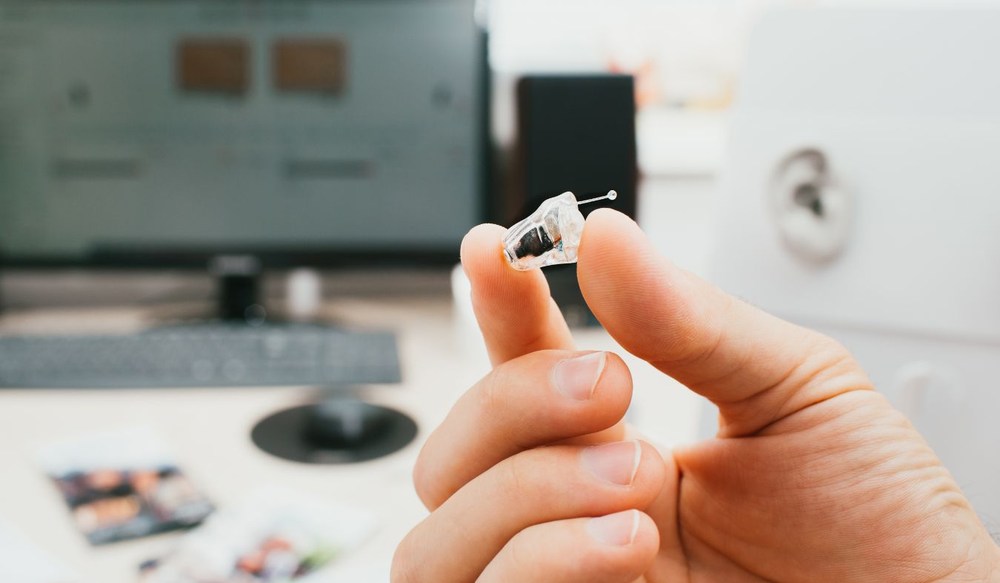
Custom fitting is an important step in making sure your hearing aids feel comfortable and work well.
Each person’s ear shape and hearing needs are unique, so your hearing professional will use special tools to measure your ears and adjust the fit. This careful process ensures your devices stay secure, feel natural and deliver clear sound.
There are several types of custom fittings, including behind-the-ear molds, in-the-ear styles and open-fit designs. Choosing the right fit can help reduce feedback noises and make wearing your hearing aids more enjoyable throughout the day.
Many modern hearing aids now include features that help track your overall health and wellness along with supporting your hearing needs.
These devices may include built-in sensors and smart tools that:
Automatic updates keep your hearing aids current with the latest features and improvements. These updates can be installed wirelessly, so your devices stay up to date without a visit to the clinic.
Remote help is another valuable tool for ongoing personalization. Your specialist can adjust settings or troubleshoot problems from a distance, saving you time and making it easier to get support when needed.
Some people may feel unsure about using new technology or managing updates on their own. Remote help services allow your specialist to guide you through any changes, making the process smoother and helping your hearing aids continue to meet your needs as they evolve.
Your lifestyle and daily activities play a big role in choosing the right hearing aid settings. If you spend most of your time in quiet settings, you may need different features than someone who is often in busy or social places.
For those who enjoy outdoor sports or group events, devices with strong noise reduction and quick sound adjustments may be especially helpful.
Your specialist can help tailor your hearing aids so they work well for your usual routines, ensuring you hear clearly and comfortably at home, at work or out with friends.
Collaboration with your professional is one of the best ways to ensure your hearing aids fit well and support your needs.
Your professional have the training to adjust devices based on your hearing test results, ear shape and daily activities. Good communication leads to better comfort and clearer sound.
During the fitting process, your specialist will likely:
Personalized hearing solutions are about making your everyday listening easier and more natural. When devices are adjusted to fit your unique hearing profile, you notice subtle improvements when following conversations and better awareness of sounds in different environments.
Taking a proactive approach helps you maintain the hearing experiences that matter most to you. We are here to help you explore these options and find the technology that works best for your needs.
Contact Rhodes Centers for Better Hearing in Brookport, IL at 618-564-2558, Harrisburg, IL at 618-241-0403, Marion, IL at 618-998-8471 or Paducah, KY at 270-366-0439 to learn more about personalized hearing solutions and take the next step in supporting your hearing health.
Tags: benefits of hearing aids, hearing aid repair, hearing aid styles

Ask anyone in Metropolis and they will tell you the Superman Celebration
By: admin | September 21, 2026
Hearing aids do a lot, but they are still working with sound that has to
By: admin | April 22, 2026
During the colder months, most of us spend a lot more time indoors with
By: admin | February 20, 2026