Managing Hearing Aid Performance in Heated Indoor Spaces
During the colder months, most of us spend a lot more time indoors with

By: admin | February 20, 2026
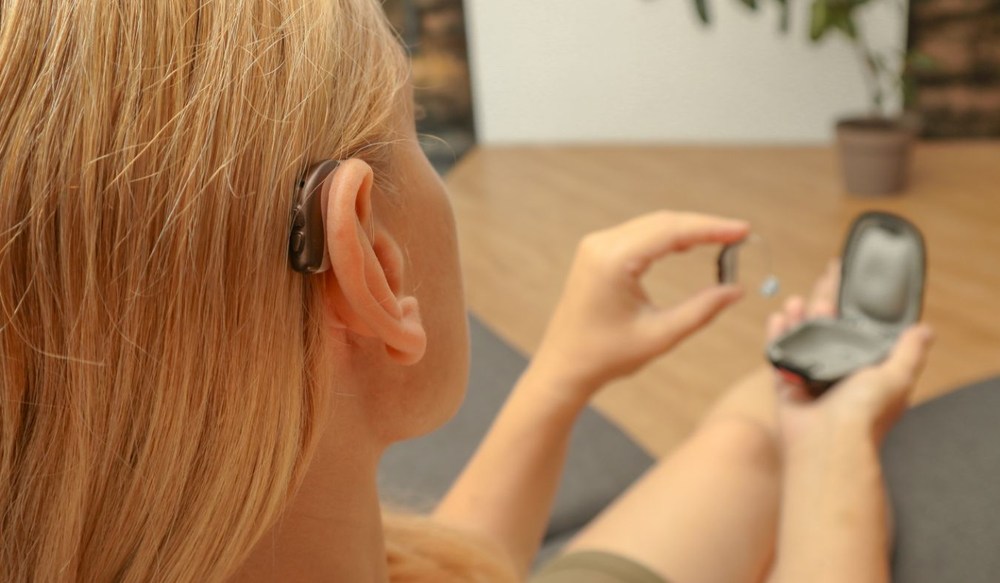
During the colder months, most of us spend a lot more time indoors with the heat running. You’re at home with the thermostat turned up, sitting in a heated office all day or spending hours in warm stores and restaurants.
It’s comfortable for you, but your hearing aids are sitting in that same warm, dry environment for hours on end and that can start affecting how they perform in ways you might not notice right away.
Maybe the sound quality seems a little different, or your devices feel less comfortable after wearing them all day, or you’re picking up on more feedback than usual.
None of these things immediately point to the heat as the cause, so they tend to go unexamined for a while.
The good news is that heated indoor spaces don’t have to be a big deal for your hearing aids. Once you understand what’s happening, a few small adjustments are usually enough to keep everything working smoothly through the winter, without adding extra steps or stress to your day.
Hearing aids are often thought of as simple amplifiers, but they are actually doing much more than turning sound up.
Each device contains microphones that gather sound from your surroundings and send it through a processor inside the hearing aid. That processor decides what to do with the sound before it reaches your ear.
Instead of treating every sound the same, hearing aids sort through what they pick up. Softer sounds may be boosted more, while louder sounds are kept in check. Speech is handled differently than steady background noise, based on how your hearing has been measured and programmed.
The way hearing aids adjust is also gradual. They make small, steady changes rather than sudden shifts, which helps listening feel more comfortable and less overwhelming. This balance is meant to support clarity without drawing attention to the device itself.
All of this happens quietly and continuously while you go about your day.
Warm indoor air and dry conditions can affect how your hearing aids perform. You might notice crackling or popping sounds when you move around, remove layers of clothing, or touch nearby surfaces because static electricity builds up more easily. Batteries can also drain faster than usual even when your usage stays the same.
Indoor humidity has a direct impact on how your hearing aids behave day to day. When heating systems dry out the air, the materials inside your devices can lose flexibility. Small components may stiffen, which can affect comfort, fit and performance.
Too much moisture causes problems as well. High humidity can allow condensation to form inside the hearing aids, especially when moving between different temperatures. Moisture near electronic components can interfere with sound quality or cause devices to stop working altogether.
Balanced indoor humidity helps avoid both extremes. A more stable environment supports consistent performance, protects sensitive parts and helps your hearing aids sound the way they should throughout the season.
Moisture is one of the most common issues hearing aids face, especially during colder months or in heated indoor spaces. Because it builds up gradually, the signs can be easy to miss at first. Small changes in sound or performance are often the first clues that something isn’t right inside your devices.
Catching these signs early makes a real difference. Moisture rarely causes sudden failure. Instead, it shows up through subtle changes that repeat or worsen over time. Noticing these patterns can help you address the issue before it affects daily listening.
Static electricity can sneak up on your hearing aids, especially in dry, heated indoor spaces. It can cause sudden crackling noises, brief interruptions in sound or short periods where your devices seem unresponsive.
These moments are usually harmless but can be frustrating when you’re trying to focus on a conversation or enjoy your surroundings.
Simple habits can make a big difference in keeping static from interfering. Adding a bit of humidity to your space, handling your hearing aids with clean, dry hands and keeping them away from static-prone fabrics like fleece or synthetic clothing can help.
Even small changes, like storing your devices separately from blankets or other items that generate static, can prevent those annoying interruptions.
Warm indoor air can affect how long hearing aid batteries last. Heat and dryness increase the energy your device uses, which can make batteries drain faster than usual. Smaller rechargeable or disposable batteries may show this effect more quickly.
You may notice your hearing aids powering down unexpectedly, dropping in volume or failing to turn on at times.
To maintain battery life in warm indoor conditions:
Temperature changes can impact the materials used in hearing aids. Many devices use plastics, silicone and metals that expand when warm and contract when cold.
When these materials change size quickly, small cracks can form or parts may fit together differently. Over time, this could lead to loose battery doors or seals that do not keep out moisture as well.
Moving between cold outdoor areas and warm indoor spaces can also cause condensation inside your hearing aids, which may affect how the electronics work and sound quality.
Materials that dry out due to warm indoor air may become stiff or brittle, making tubing, domes and ear molds more likely to crack or break.
Warm rooms can sometimes cause your hearing aids to produce high-pitched whistling sounds known as feedback. You might also notice that speech and other sounds seem distorted or less clear than usual.
Heat can change how well your hearing aids fit in your ears or affect soft parts like tubing and domes. When these parts dry out or shift slightly, sound may leak out and re-enter the device, leading to feedback or odd noises.
If you notice more feedback or sound distortion in heated rooms, it may be time to check for buildup, cracks or loose pieces. Staying aware of how your hearing aids sound helps you spot small issues early.
Proper storage is important when you are in heated indoor spaces. High temperatures and humid air can affect your hearing aids if they are left out in the open or near a heat source.
To protect your hearing aids in warm environments:
Daily cleaning is important for hearing aids used indoors during winter since dry air and extra dust from heaters can build up on your devices.
Wash and dry your hands, remove the hearing aids, wipe them with a soft, dry cloth, use a small brush to clean microphone ports and battery compartments, check tubing and domes for debris or cracks, and store the devices in a drying kit overnight.
Regular cleaning prevents issues caused by dust or dryness and helps you notice any changes in how your devices sound or fit.
The right accessories can help protect your hearing aids from heated indoor air. Some accessories are designed to keep devices dry, reduce static and guard against dust or bumps.
Helpful accessories for extra protection indoors include:
If your hearing aids are not working as expected even after cleaning, changing batteries or using a drying kit, it may be time to reach out to your hearing specialist.
Ongoing feedback, distorted sound or devices shutting off without warning could mean there is an issue that needs professional attention.
Other signs include visible damage, persistent moisture inside battery compartments or parts that feel loose or broken. Earwax buildup blocking the sound path can also cause problems, so regular checks and cleaning matter for both your ears and your devices.
Winter heat can quietly change how your hearing aids feel and sound, and it doesn’t always happen all at once. Our team can help you understand what’s going on and make sure your devices keep working effortlessly indoors.
We check in with you, answer your questions and guide you so you don’t have to worry about small issues building up.
If your hearing aids are acting differently in heated spaces, we’re ready to help. Contact Rhodes Centers for Better Hearing in Brookport, IL at 618-564-2558, Harrisburg, IL at 618-241-0403, Marion, IL at 618-998-8471 or Paducah, KY at 270-366-0439.
We’re here to support you and make sure your hearing stays consistent and comfortable no matter how cold it gets outside.
During the colder months, most of us spend a lot more time indoors with
By: admin | February 20, 2026
Hearing aid technology is moving toward a more individualized approach
By: admin | December 21, 2025
Getting accurate results from a hearing test depends heavily on the
By: admin | August 21, 2025